Write down the essentials.
Choose a contact, a meeting place, and somewhere to go if home is unsafe. Include transport and individual needs.
START HERE
Build around the home, people, and budget you actually have. Start with a short plan and the supplies already in your cupboards.

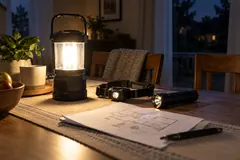
Gather your existing supplies and choose one gap to address.
Open the 72-hour checklistChoose a contact, a meeting place, and somewhere to go if home is unsafe. Include transport and individual needs.
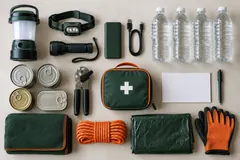
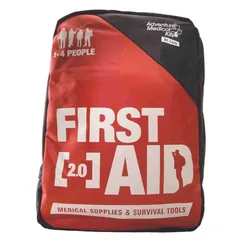
Put useful supplies together. Check batteries, cables, food dates, and what everyone needs each day.
Three days is a starting milestone. The Red Cross recommends three days of supplies for evacuation and two weeks of food and water at home.
Sources: American Red Cross: emergency supplies ↗ · American Red Cross: power outage planning ↗
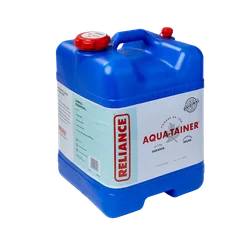
Store at least one gallon per person per day for three days. For two people, that is six gallons. Add water for pets and individual needs; build toward two weeks where possible.
Sources: CDC: emergency water supply ↗
01
Find the supplies you would actually reach for.
02
Check lights, batteries and matching cables.
03
Address one useful gap before buying more.
Sources checked September 9, 2026. Prepared by Survivor Ready, an independent resource created by Chris McGuire. AI assists drafting and illustrative imagery. This page has not received independent expert review. Follow local emergency instructions and individual professional advice.
Gather useful supplies and agree on contacts and a destination.
FILLReview each category and address the needs still missing.
UPGRADECompare equipment only after you know the job it needs to do.
A way to set priorities, not a readiness score. Essential needs can require purchases or professional help.
Try a calm household check, or learn a practical outdoor skill before you need it. Explore practical skills →