Choose one outside contact
Pick someone outside your immediate area who can relay updates. Give everyone their number on paper.
COMMUNICATIONS · PRACTICAL PREPAREDNESS
A household communication plan for outages, congestion, and places without coverage.
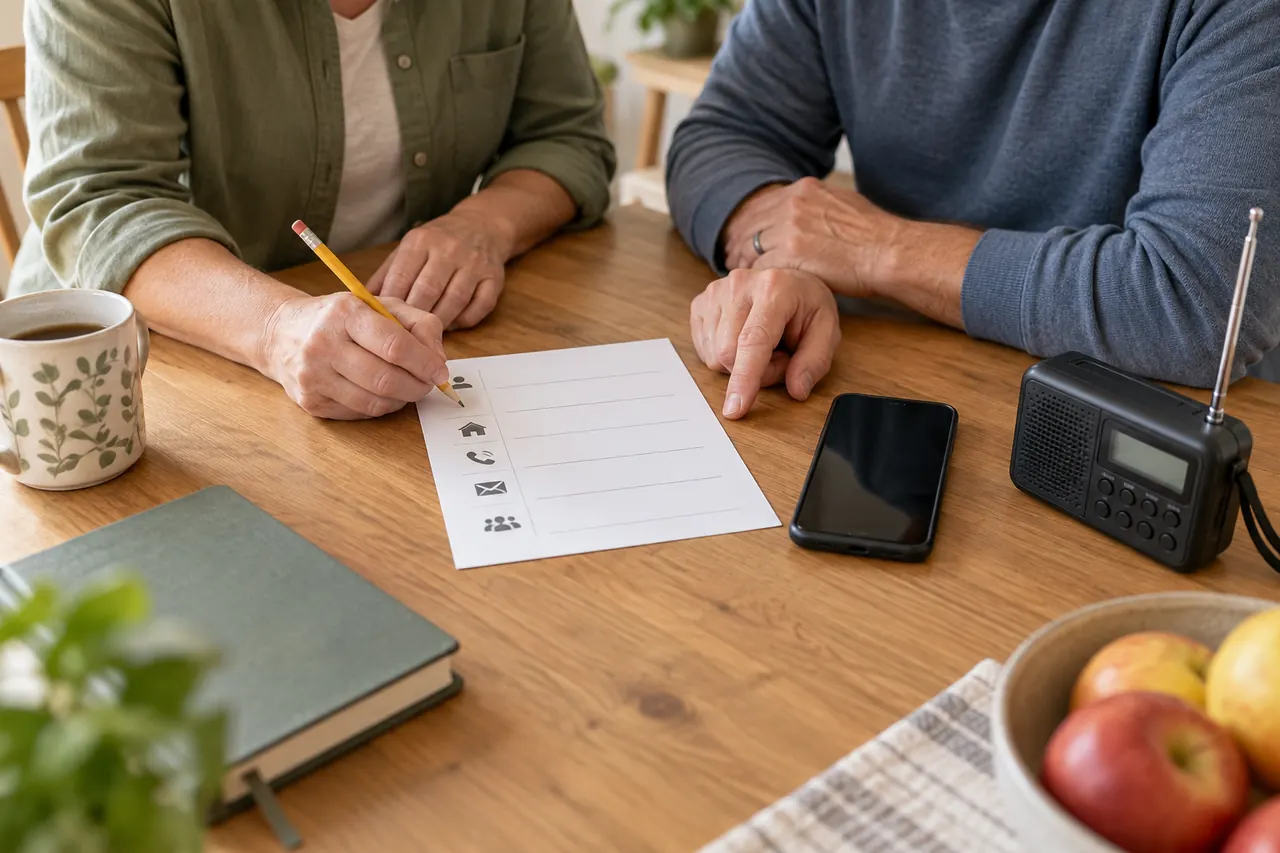
Pick someone outside your immediate area who can relay updates. Give everyone their number on paper.
Agree on a nearby meeting point and another outside the neighborhood. Include transport and accessibility.
Share who you are, where you are, whether you need help, and your next planned check-in.
Check contacts, chargers, and any radios together. Keep an offline copy of the plan.
“We plan to go to [destination]. Next check-in: [time]. Please relay this to [person].”
Use a message appropriate to what you actually know. A failed or pending message is not confirmation that someone received it. Avoid repeatedly sending large photos or videos when connectivity is poor.
Use local emergency-management alerts and a radio suitable for your area. NOAA Weather Radio carries official forecasts and hazard information in the United States; reception depends on location and transmitter operation.
Compare a broadcast radio, two-way radios, and a satellite messenger
Arrange the relevant care, transport, and power backup in advance. Write down contacts and where help is available. A communications device does not replace that support plan.
Carry a tested charging cable and compatible power bank. Reduce unnecessary use, and keep the next check-in time on paper.
Choose backup power for your devices →Sources checked September 10, 2026. Survivor Ready uses AI-assisted drafting and illustrative imagery. This guide has not received independent expert review. Follow local emergency instructions. Equipment recommendations are research-based; we have not conducted hands-on testing.
Start with what you own. These options address different jobs; use the linked comparisons to choose among alternatives.
Compare the exact version against the job you need it to do.
Check exact model, compatibility and included equipment before buying.
Check exact model, compatibility and included equipment before buying.
Manufacturer / product details ↗ (opens in a new tab)A compact phone backup with a built-in USB-C cable, useful if that connection fits your device.
No AC outlet. Shared-port output is limited to 24W; do not assume 30W to every device.
No AC outlet. Shared-port output is limited to 24W; do not assume 30W to every device.
Manufacturer / product details ↗ (opens in a new tab)Some product links may earn a commission. Affiliate disclosure.
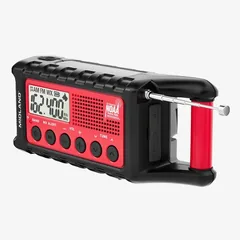
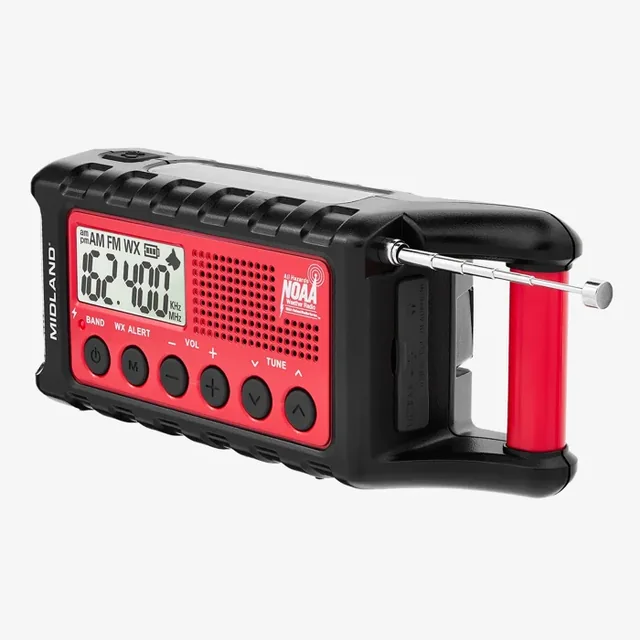 Midland ER310
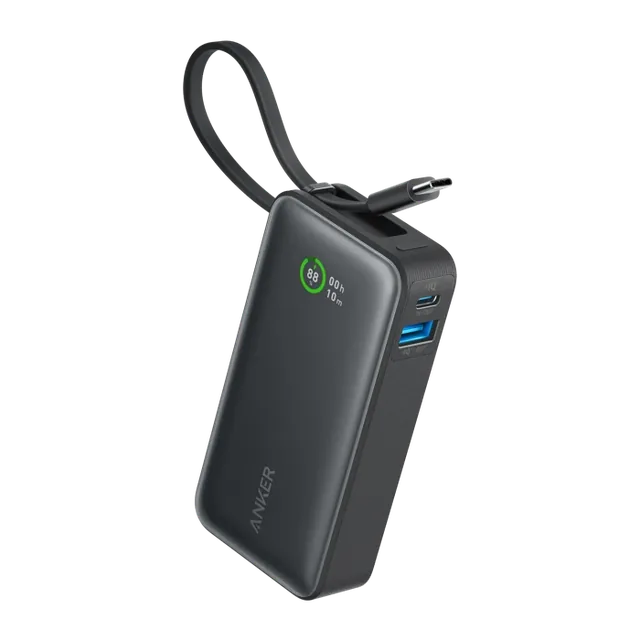 Anker Nano A1259